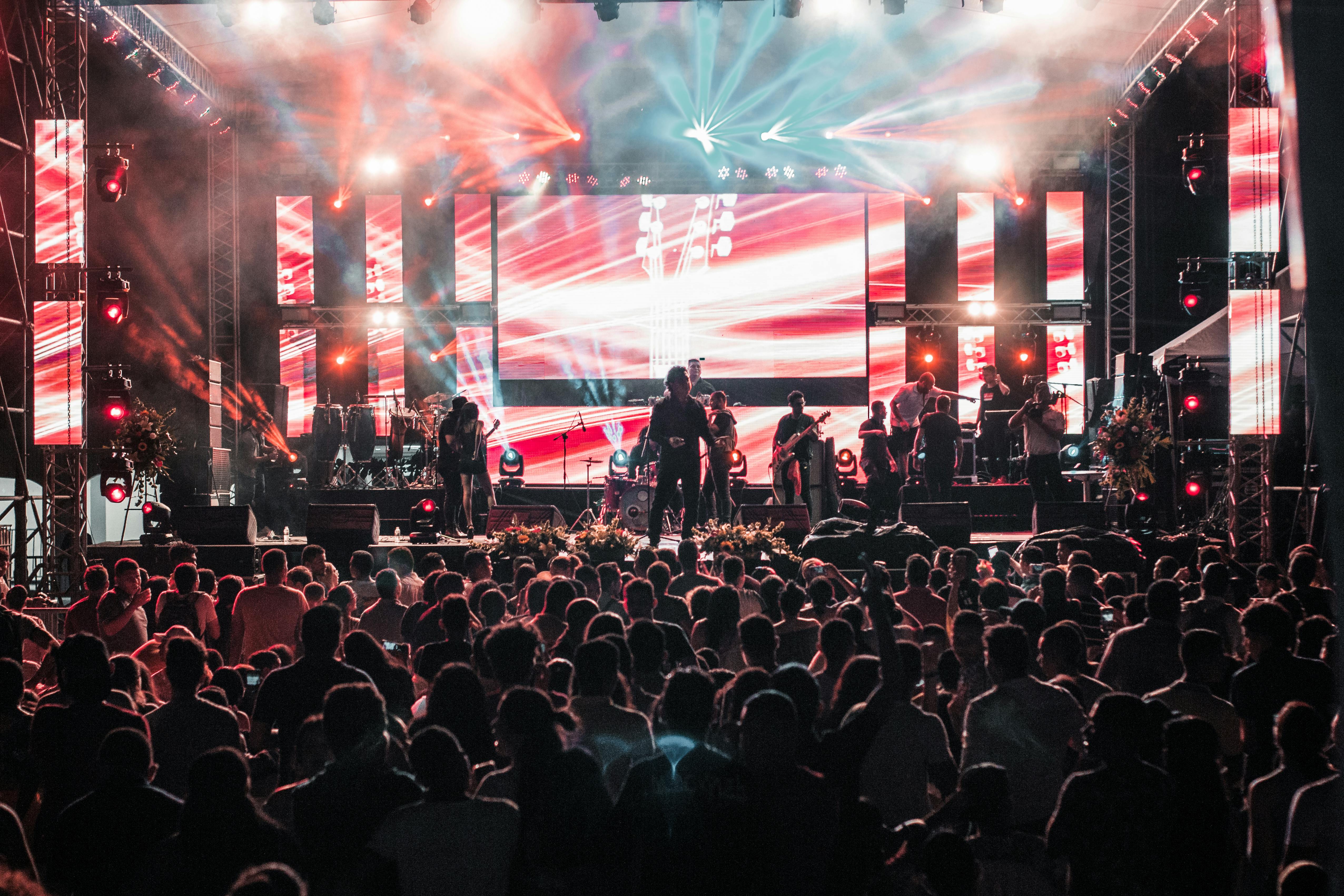

An event can have a great venue, good food and careful planning, but entertainment often decides how the room actually feels.
Recorded playlists are useful, but live music adds something different. Musicians can react to the audience, change the energy of a performance and turn guests from spectators into participants.
That is why live music continues to work across weddings, festivals, corporate events and private parties.
Live Music Responds to the Room
A playlist follows a predetermined order. A live band can react.
Experienced musicians notice whether people are ready to dance, still talking over dinner or need something more energetic to bring them together. They can change songs, shorten a section, extend a popular moment or involve the audience.
That flexibility matters because events rarely run exactly as planned.
Guests Become Part of the Entertainment
One of the biggest differences between recorded and live music is interaction.
A singer might encourage the room to join a chorus. A brass player can move among guests. A roaming band can perform beside tables instead of remaining separated from everyone on a stage.
Interactive groups such as the DDFK Oompah Band use this approach particularly well because the performance is designed around audience participation rather than passive listening.
For an event organiser, that interaction can also help when guests do not already know one another. Music gives people something immediate to respond to together.
Live Performances Create Unplanned Moments
Some of the parts guests remember most are not on the schedule.
It may be a musician playing beside someone’s table, an unexpected song request, a crowd singing together or a performer reacting to something happening in the room.
These moments are difficult to reproduce with prerecorded entertainment because they depend on the audience and performers influencing each other in real time.
Smaller acoustic groups, roaming musicians and compact brass bands can create this effect without needing a large stage production.
The Type of Band Should Match the Event
Live music works best when organisers choose the act according to the event rather than simply booking a band they personally like.
A formal dinner may need music that allows conversation. A festival needs enough energy and presence for a larger crowd. A wedding may require several different moods across the day, while corporate entertainment often needs to engage people without taking over the whole event.
Before booking bands for private events, organisers should consider:
- the number and age range of guests;
- whether the performance is background or a main attraction;
- indoor or outdoor space;
- stage and sound requirements;
- how much audience interaction is wanted;
- performance timings;
- the atmosphere the event should create.
The most suitable band is not necessarily the biggest or loudest one. It is the one that fits the room and the audience.
Live Music Can Give an Event Its Own Identity
Many events use similar ingredients: drinks, food, speeches, decorations and playlists.
A distinctive live act can make an event feel less interchangeable.
Brass bands, roaming musicians and interactive groups can become part of the character of the event rather than simply providing background music.
That gives guests something specific to associate with the occasion.
Why Live Music Still Matters
Technology has made recorded music easier, cheaper and more flexible than ever. That has not removed the appeal of seeing musicians perform in front of you.
Live music works because there is an exchange between performers and the people in the room. The audience affects the performance, and the performance affects the audience.
For event organisers, that is the real value. A band is not simply supplying music. When chosen well, it can help shape how guests interact, how the atmosphere develops and what people remember afterwards.